
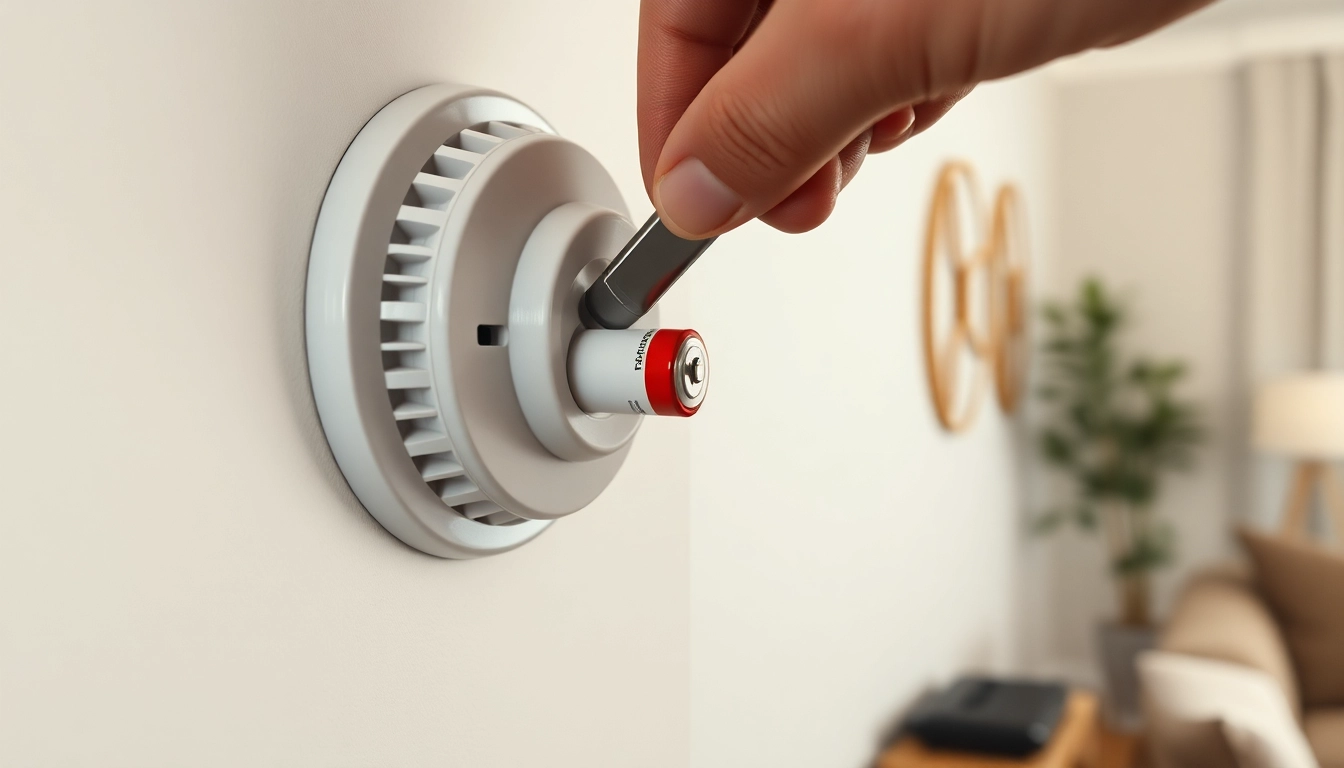
Understanding Smoke Detector Batteries
Smoke detectors are essential for home safety, and at the heart of these devices lie the batteries that power them. Understanding the different types of smoke detector battery options, their maintenance, and lifespan is crucial for ensuring your safety remains a top priority.
Types of Smoke Detector Batteries
Smoke detector batteries come in various types, each offering its own benefits and drawbacks. Generally, the types include:
- Alkaline Batteries: Commonly used and affordable, these batteries typically have a lifespan of about one year.
- Lithium Batteries: Known for their longer lifespan, lithium batteries can last up to ten years depending on the model.
- Nickel Cadmium (NiCd): These rechargeable batteries are less common but are an option for certain types of smoke detectors.
- Sealed Lithium Batteries: These batteries are integrated into smoke detectors, eliminating the need for frequent replacements, as they last the entire life of the detector, often up to 10 years.
Importance of Battery Maintenance
Battery maintenance is critical because a failing battery can compromise the effectiveness of a smoke detector. Regular checks will help ensure that your alarm functions during emergencies. Smoke detector batteries should be replaced at least once a year, but many users opt for a more systematic approach, syncing replacements with the change of seasons (spring and fall) or daylight saving time adjustments.
Common Battery Lifespan
Understanding the common lifespans of smoke detector batteries is key to managing their maintenance effectively. Alkaline batteries typically last one year, lithium batteries can last up to a decade, while sealed lithium batteries are designed to last as long as the smoke detector itself, usually 10 years. Knowing these timelines helps ensure your smoke detectors remain functional and reliable.
How to Replace Your Smoke Detector Battery
Replacing your smoke detector battery is a simple but crucial task that can save lives. Here’s a detailed guide on how to do it safely and efficiently.
Steps for Safe Battery Replacement
- First, ensure your smoke detector is safely removed from its mounting bracket. Use a step stool if necessary.
- Identify the type of battery used by checking the back of the unit.
- Open the battery compartment and remove the old battery gently.
- Insert the new battery, ensuring the positive and negative terminals align correctly.
- Close the battery compartment securely and mount the smoke detector back onto its bracket.
- Test the smoke detector by pressing the test button to confirm it's working.
Recognizing Signs of Low Battery
Smoke detectors often give audible signs when the batteries are running low. This typically manifests as a chirping sound or periodic beeping alerting you to the need for a replacement. In addition to sound alerts, it’s essential to maintain a regular check schedule as visual indicators may not be available in all models.
Choosing the Right Smoke Detector Battery
Selecting the appropriate battery is crucial for ensuring optimal operation of your smoke detector. It is essential to refer to the manufacturer's specifications for your device, as using the wrong battery type can lead to malfunctioning. Always opt for high-quality batteries from reputable manufacturers to ensure longevity and reliability.
Best Practices for Smoke Detector Battery Care
Maintaining your smoke detector batteries properly can prolong their lifespan and ensure your device functions when you need it most. Here are some essential practices.
Regular Maintenance Tips
In addition to simply replacing the battery, regular maintenance includes:
- Cleaning dust and debris from the smoke detector with a vacuum cleaner or a damp cloth.
- Testing your smoke detector monthly to ensure it's functioning properly.
- Keeping track of battery replacement dates on a calendar or an app.
- Replacing batteries promptly once you hear the low battery signal.
How Often to Test Your Detector
The National Fire Protection Association (NFPA) recommends testing smoke detectors at least once a month. This simple procedure can assure you that your alarms are operational and ready to alert you in case of a fire.
Environmental Considerations
Environmental factors can significantly influence the performance of smoke detectors and their batteries. High humidity can cause corrosion, while extreme temperatures can result in battery failure. Install smoke detectors in common areas and bedrooms, but avoid placing them near kitchens or bathrooms where they may trigger false alarms.
Preparing for Emergency Situations
While smoke detectors are a critical component of fire safety, your overall preparedness for emergencies is equally vital. This includes having an escape plan and an emergency kit.
Creating an Escape Plan
Every household should develop a clear escape plan that includes:
- Identifying all possible exits, including windows and doors.
- Designating a meeting point outside the home where everyone will gather after escaping.
- Practicing the escape plan regularly to ensure everyone knows what to do in case of an emergency.
Communicating Safety Procedures
Having an escape plan is not enough if every household member is unaware of it. Hold family meetings to discuss safety procedures clearly. Involve everyone, especially children, so they feel comfortable adopting roles during emergencies. Consider creating visuals or kits to assist children in understanding what to do.
Importance of Emergency Kits
Every home should have an emergency kit readily available. Essentials in this kit can include flashlights, batteries, first-aid supplies, water, and non-perishable food. Regularly check and refresh supplies to ensure everything is in working order. Ensure your emergency kit is accessible and known to all family members.
Maximizing Your Home's Safety
Your smoke detectors should form a part of a larger safety strategy, which may include integrating technology and utilizing community resources.
Integrating Technology for Enhanced Safety
Smart smoke detectors equipped with connectivity features can significantly enhance safety. These devices not only alert you to fire but can send notifications to your phone and are compatible with various home automation systems. Consider investing in smart devices that provide added peace of mind and connectivity.
Community Resources and Programs
Many communities offer programs related to fire safety, including free smoke detector installations and fire safety workshops. Look into opportunities in your area that can help you stay informed and equipped. Partnering with local fire departments can provide valuable resources and knowledge on fire safety protocols.
Performance Metrics for Smoke Detector Efficacy
Your smoke detectors are only as effective as the care and maintenance practices surrounding them. Assess performance metrics through regular testing and by monitoring battery life cycles. Keeping records of maintenance and replacements will also allow for better understanding when it comes to ensuring safety.