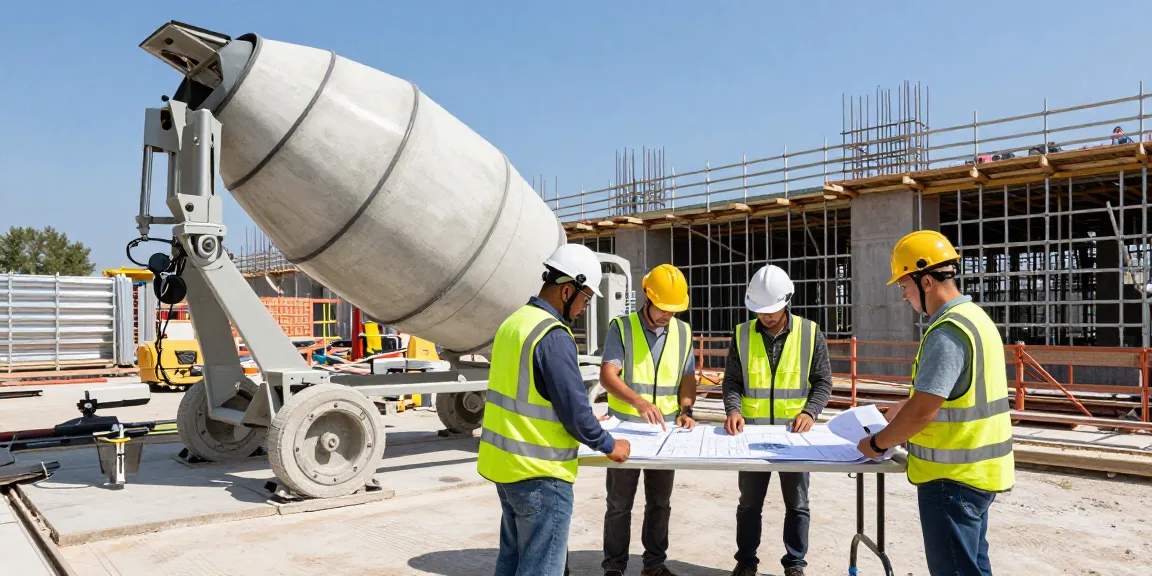

Understanding the Role of a New York City Construction Manager
In a metropolis renowned for its towering skyscrapers and ambitious infrastructure projects, the role of a New York City Construction Manager is paramount. From overseeing everyday construction tasks to ensuring safety and compliance with local regulations, construction managers play a crucial role in bringing visions to life. Their responsibilities are multifaceted, requiring a blend of technical skills, strategic foresight, and interpersonal communication. This article delves into the intricacies of the profession, highlighting the challenges faced, best practices employed, and real-life examples of success in New York City's dynamic construction landscape.
Key Responsibilities of a Construction Manager
The responsibilities of a New York City construction manager are extensive and critical to the successful completion of a project. Key duties include:
- Project Planning: They meticulously develop project plans, outlining timelines, budgets, and resource allocation.
- Team Coordination: Construction managers coordinate with various stakeholders, including architects, subcontractors, and clients, ensuring everyone is aligned with the project goals.
- Quality Control: They ensure that all construction meets the stipulated standards and regulations, conducting regular inspections and addressing any discrepancies in real-time.
- Safety Management: Overseeing compliance with safety regulations is a major component of their role. This includes conducting safety meetings and training programs.
- Problem-Solving: Construction projects often face unforeseen challenges. Managers must be adept at quickly addressing issues to keep the project on track.
Skills Required for Effective Management
To excel as a construction manager in New York City, several key skills are essential:
- Leadership: The ability to lead diverse teams effectively is crucial for ensuring collaboration and driving the project forward.
- Communication: Clear communication with team members, clients, and stakeholders is vital for project success and preventing misunderstandings.
- Technical Knowledge: A deep understanding of construction methods, materials, and technologies is essential for informed decision-making.
- Negotiation: Construction managers often negotiate contracts and terms with vendors and subcontractors, requiring strong negotiation skills.
- Time Management: Effectively managing schedules and deadlines is essential in the fast-paced construction environment of NYC.
The Importance of Communication
Effective communication is one of the cornerstones of successful construction management. It fosters collaboration among all stakeholders and ensures everyone is focused on the same goals. Regular meetings, status updates, and an open-door policy can greatly enhance communication channels. Utilizing tools like project management software can also streamline communication, enabling real-time updates and collaboration.
Navigating the Construction Landscape in NYC
The construction landscape of New York City is unique and comes with its own set of challenges. A comprehensive understanding of local regulations, compliance, and environmental concerns is crucial for any construction manager operating within the city.
Understanding Local Regulations and Compliance
New York City's construction regulations are complex and ever-evolving. Compliance with local laws is not only mandatory but pivotal to project success. This includes understanding zoning laws, building codes, and environmental regulations. Construction managers must keep abreast of these regulations to avoid fines and project delays. Engaging with local authorities early in the planning phase can help mitigate compliance issues down the line.
Adapting to the Unique NYC Construction Environment
Construction in NYC presents unique challenges due to its dense population, limited space, and logistical complexities. Managers must be adept at planning around the surrounding environment, which may involve coordinating with public transportation systems and managing street closures. An effective strategy might include phased construction to lessen disruptions and collaborating closely with neighbors and local businesses to maintain positive relationships.
Challenges Faced by NYC Construction Managers
Aside from regulatory burdens, NYC construction managers encounter various other challenges:
- Weather Variability: The unpredictable New York weather affects scheduling and project timelines.
- Resource Scarcity: Accessing quality materials and skilled labor can be challenging in a competitive market.
- Budget Constraints: Managing tight budgets while ensuring high-quality work is a key challenge.
- Stakeholder Diversity: Coordinating with many stakeholders with differing interests can complicate project execution.
Best Practices in Project Management
Employing best practices in project management is vital for the success of construction projects in New York City. Here are some effective strategies for construction managers:
Effective Resource Allocation
Optimal resource allocation involves assigning the right amount of manpower, materials, and equipment to each phase of construction. A deep analysis of project requirements along with careful forecasting can help managers make informed decisions about resource distribution. Implementing resource management software can enhance efficiency, streamlining the tracking of usage and availability.
Time Management Strategies
Effective time management is critical in the fast-paced construction environment of NYC. Project managers should develop comprehensive timelines and regularly update them to reflect current progress. Tools such as Gantt charts and critical path method (CPM) scheduling can aid in visualizing tasks and deadlines, ensuring accountability and efficiency across the board.
Utilizing Technology in Construction Management
Incorporating technology into construction management offers numerous benefits, including improved communication, enhanced collaboration, and efficient project tracking. Tools like Building Information Modeling (BIM) provide detailed project visualization and can help anticipate potential problems before they arise. Additionally, mobile applications facilitate real-time updates and communication, ensuring everyone involved has access to the most current information.
Real-Life Examples of Successful Construction Management
Examining case studies of successful projects can provide valuable insights into best practices and innovative approaches in construction management.
Case Studies from New York City Projects
Several notable projects in New York highlight effective construction management in action. For instance, the Hudson Yards development showcases how strategic planning, effective communication, and resource management led to one of the largest urban redevelopment projects in U.S. history. Such initiatives underline the importance of a well-coordinated construction management team, capable of navigating the complexities unique to NYC.
Lessons Learned from Recent Developments
Each construction project yields valuable lessons that can inform future endeavors. A recent example involved the redevelopment of a historic building, where critical insights about adaptive reuse, collaboration with regulatory bodies, and the importance of community engagement were learned. These lessons emphasize the need for construction managers to continually improve their practices based on past experiences.
Innovative Approaches in Urban Construction
Innovative construction techniques such as modular construction and green building practices are increasingly gaining traction in NYC. Modular construction, which involves building sections of a project off-site before transporting them to the main site, can reduce construction time and minimize disruption to the surrounding community. Embracing sustainable practices not only meets current demand for green solutions but also aligns with New York City's commitment to sustainability.
FAQs About New York City Construction Managers
What does a New York City Construction Manager do?
A New York City Construction Manager oversees construction projects, ensuring they meet deadlines, budgets, and quality standards.
How do I choose a Construction Manager in NYC?
Look for managers with strong communication skills, proven experience in NYC projects, and a solid track record of successful completions.
What are common challenges for construction managers in NYC?
Challenges include navigating complex regulations, managing diverse teams, and dealing with unpredictable weather conditions.
How important is communication in construction management?
Effective communication is crucial for successful project coordination, minimizing misunderstandings, and ensuring timely progress.
What technologies can aid New York City Construction Managers?
Technologies such as project management software, BIM, and mobile communication tools enhance workflow and improve efficiency on-site.