Introduction to Water Features
Water features have long been cherished in gardens and outdoor spaces, offering not only aesthetic appeal but also a multitude of benefits. They can transform ordinary landscapes into serene retreats, enhancing ambiance and attracting wildlife. Understanding the diversity of water features and their integration into landscape design can significantly elevate your home's outdoor experience.
What Are Water Features?
Water features encompass any design element in a garden or landscape that incorporates water. This can range from tranquil ponds and cascading waterfalls to modern fountains and bird baths. They can function as functional elements, such as irrigation systems, or purely decorative pieces that enhance the visual appeal and soundscape of a space. The concept of water features includes both natural elements and man-made designs that can be tailored to fit specific styles and functionalities.
Benefits of Water Features
Incorporating water features into your landscape carries a plethora of advantages:
- Aesthetic Value: Water features add beauty and elegance to outdoor spaces, making them a focal point of attraction.
- Relaxation and Stress Relief: The sound of flowing water can create a calming atmosphere, effectively reducing stress and promoting relaxation.
- Wildlife Attraction: Ponds and other water features invite various species, including birds and butterflies, enhancing biodiversity.
- Microclimate Creation: Water features can help regulate temperatures, creating a more pleasant microclimate in your garden.
- Increased Property Value: Well-designed outdoor spaces with appealing water features can elevate property values significantly.
Types of Water Features
Water features come in numerous forms, each serving unique functions. Exploring different types can help in deciding which fits best in your outdoor space:
- Ponds: Natural or ornamental ponds can be created for visual appeal or as habitats for fish and aquatic plants.
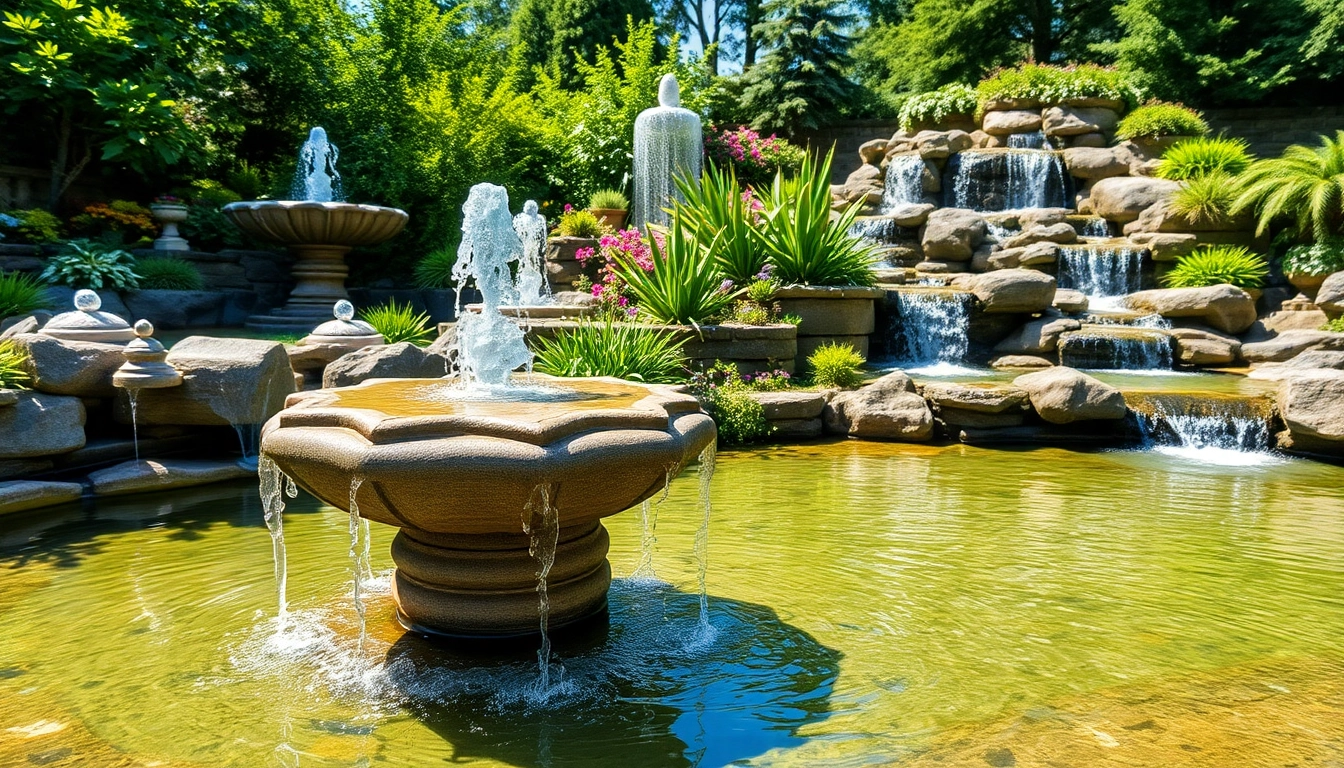
- Fountains: Ranging from simple spouts to elaborate displays, fountains can be a striking centerpiece in gardens.
- Waterfalls: Adding dynamic movement to a landscape, waterfalls can be designed to flow into a pond or stream.
- Streams: Meandering streams can create a naturalistic look, leading water through the landscape.
- Bird Baths: Smaller water features that provide birds with water for drinking and bathing, thus attracting wildlife.
Incorporating Water Features into Landscape Design
Choosing the Right Location
The placement of water features is integral to their effectiveness within a landscape. Considerations include:
- Visibility: Position features in visible locations to maximize enjoyment and aesthetic enhancement.
- Sunlight: Some water features thrive in sunlight while others benefit from shaded environments. Assessing the sun’s path can aid in planning.
- Proximity to Natural Elements: Integrate water features with existing foliage for a cohesive look. Consider how trees and plants will interact with the feature over time.
- Drainage: Ensure the chosen spot has good drainage to prevent flooding or damage to the landscape.
Design Styles and Themes
Water features can complement the overall design theme of your landscape. Here are several styles to consider:
- Naturalistic: Features that mimic nature, such as wildflower-studded ponds and rocky waterfalls, appeal to those seeking a rustic feel.
- Modern: Sleek lines, minimalistic designs, and geometric shapes characterize modern water features, fitting well in contemporary landscapes.
- Asian-inspired: Water features often embody tranquility and simplicity, with designs integrating stones, bamboo, and a harmonious layout.
- Traditional: Classical fountains and ponds can evoke a sense of history and nostalgia, perfect for traditional gardens.
Materials for Construction
The choice of materials significantly affects the durability and look of water features. Common materials include:
- Stone: Natural stone offers timeless beauty and blends seamlessly with outdoor environments.
- Concrete: Versatile and durable, concrete can be molded into various shapes, allowing for creative designs.
- Wood: Often used in bridges or decks over water features, wood adds warmth and organic charm.
- Glass: Used in modern designs, glass can provide stunning visual effects and unique aesthetics.
Maintenance and Care for Water Features
Regular Cleaning Practices
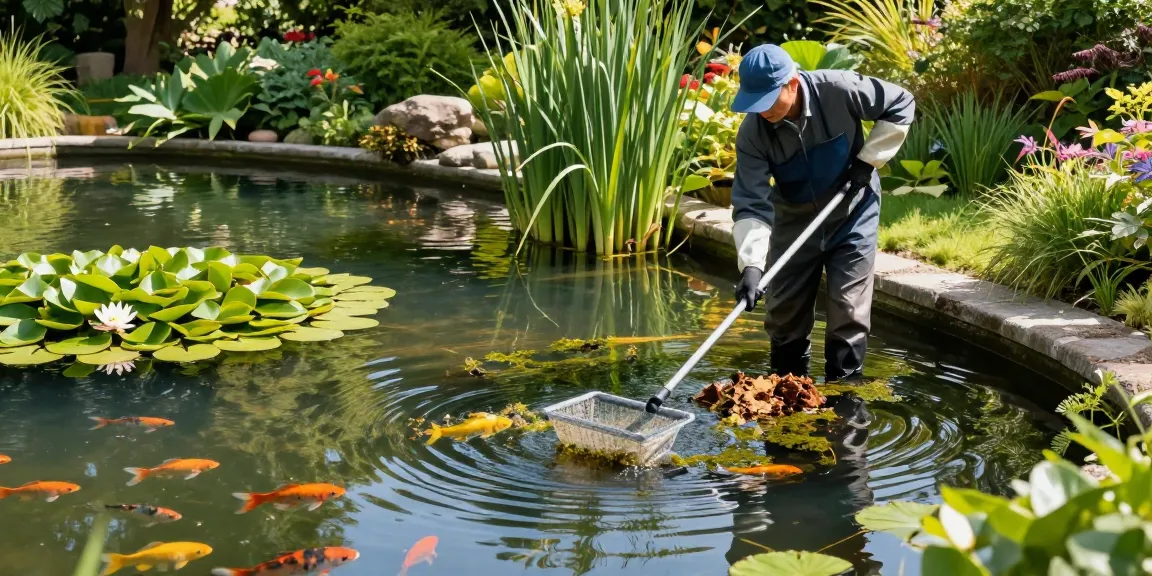
Maintaining water features involves regular cleaning to prevent problems such as algae buildup and debris accumulation. To keep your water feature in pristine condition, consider the following:
- Skimming Debris: Regularly skim leaves and debris from the surface to keep water clean.
- Cleaning Filters: If using pumps or filters, clean them regularly to maintain optimal functionality.
- Vacuuming Bottom: Use a pond vacuum or net to remove sediment from the bottom of ponds to maintain water clarity.
Winterizing Your Water Features
In colder climates, proper steps must be taken to protect water features during winter:
- Drain Water: Drain water from pumps and fountains to prevent freezing damage.
- Remove Decorations: Remove any floating plants or decorative items that can freeze and break.
- Covering Ponds: Consider covering ponds with nets to prevent leaf accumulation while still allowing for fish movement beneath.
Dealing with Algae and Water Quality
Maintaining healthy water quality is crucial for the aesthetics of water features and the health of aquatic life. Address issues with algae and water quality through:
- Regular Testing: Test water for pH and ammonia levels to ensure a balanced ecosystem.
- Using Beneficial Bacteria: Introduce beneficial bacteria that help compete with algae for nutrients.
- Controlling Sunlight: Use aquatic plants to provide shade, minimizing algae growth.
Creative Ideas for Water Features
Combining with Lighting Effects
Lighting can dramatically enhance the visual appeal of water features, especially at night. Consider these techniques:
- Submersible Lights: Placing lights underwater can create ethereal glows, illuminating ponds and fountains.
- Pathway Lights: Use soft lighting along pathways to lead visitors to your water features.
- Spotlights: Highlight the beauty of waterfalls or intricate fountain designs with strategically placed spotlights.
Integrating with Plants and Foliage
A harmonious landscape merges water features with surrounding plants. To achieve this:
- Choose Native Plants: Selecting local species can enhance biodiversity and integrate seamlessly with your water feature.
- Layering: Plant taller species at the back and shorter ones in front to create visual depth alongside water features.
- Water Plants: Incorporate aquatic plants such as lilies and irises to provide habitat and enhance aesthetics.
Using Water Features as Focal Points
Water features can serve as stunning focal points, drawing the eye and creating a serene atmosphere. Implement these strategies:
- Centerpieces: Place larger features, like ponds or fountains, centrally in your garden for maximum visibility.
- Pathway Integration: Design paths that lead towards the water feature, subtly guiding visitors to it.
- Framing: Use surrounding landscaping elements, such as shrubs and flowers, to frame the water feature, accentuating its presence.
Frequently Asked Questions
What type of water feature is best for small gardens?
For small gardens, wall fountains or bird baths are excellent choices as they occupy minimal space while adding beauty and interest.
How much maintenance do water features require?
Maintenance needs vary, but generally, features require regular cleaning, water testing, and seasonal preparations to remain healthy and functional.
Can water features attract wildlife?
Yes, water features can attract various wildlife species, including birds, frogs, and beneficial insects, promoting biodiversity in your garden.
What are the costs associated with installing a water feature?
Costs can vary widely depending on size and complexity, typically ranging from a few hundred to several thousand dollars for installation and materials.
How do I winterize my water features?
Winterizing involves draining water, removing plants and debris, covering ponds, and ensuring that pumps are properly stored to prevent damage.