Understanding GRP Grating: Materials and Benefits
What is GRP Grating?
Glass Reinforced Plastic (GRP) grating is a composite material made from fiberglass reinforced plastic. GRP grates are engineered to provide a robust yet lightweight solution for various applications, including flooring, walkways, and industrial applications. These gratings are resistant to corrosion, chemicals, and UV exposure, making them ideal for harsh environments. Traditional materials like steel and aluminum are prone to rust and deterioration, while GRP offers a much more durable and low-maintenance option. The design of GRP grating ensures a slip-resistant surface, which enhances safety in environments where spills may occur.
Key Advantages of GRP Grating
- Corrosion Resistance: GRP does not rust or corrode, ensuring longevity in various environments.
- Lightweight: Compared to other materials, GRP is considerably lighter, making it easier to handle and install.
- Durability: High load-bearing capacity ensures that GRP grates can withstand significant weight while maintaining structural integrity.
- Low Maintenance: GRP grating does not require painting or protective coatings, leading to lower lifecycle costs.
- Non-Conductive: Ideal for electrical environments, GRP does not conduct electricity, enhancing workplace safety.
- Versatility: Suitable for various applications from industrial settings to architectural projects.
Common Applications of GRP Grating
GRP grating is utilized across a broad spectrum of industries. Its applications include:
- Industrial Platforms: Used in factories and warehouses for walkways and platforms due to its strength and low maintenance requirements.
- Marine Environments: Its resistance to saltwater corrosion makes it suitable for docks, piers, and deck surfaces.
- Chemical Processing: In facilities handling corrosive substances, GRP grating remains unaffected by chemicals, ensuring safety and longevity.
- Water Treatment Plants: Its ability to withstand wet conditions while remaining slip-resistant is crucial in these locations.
- Agricultural Applications: GRP is commonly used in livestock areas and agricultural processing due to its durability and ease of cleaning.
Choosing the Right GRP Grating Supplier
Essential Criteria for Supplier Selection
When selecting a GRP grating supplier, consider the following criteria:
- Quality Assurance: Ensure the supplier follows rigorous quality control measures and provides products that meet industry standards.
- Product Variety: A wider range of options allows for selecting the best grating style and configuration suited to specific needs.
- Customer Support: Reliable customer service can assist in making informed choices and provide support throughout the purchasing process.
- Delivery Times: Suppliers that offer timely delivery can help prevent project delays.
Evaluating Product Quality and Performance
To assess the quality of GRP gratings, you should consider:
- Manufacturing Process: Understanding if the grating is molded or pultruded can reveal its intended application and durability.
- Load-Bearing Capacity: Ensure the product can handle the expected loads within your specific environment.
- Safety Features: Look for slip-resistant surfaces and comply with safety regulations.
- Certifications: Check for industry-standard certifications which validate the quality and safety of the product.
Pricing Structures and Value Analysis
In analyzing pricing, consider the following aspects:
- Cost Comparison: Compare prices among various suppliers while ensuring that you are comparing like-for-like products.
- Hidden Costs: Be aware of additional costs such as shipping and installation.
- Longevity and Maintenance: Factor in the lifecycle cost, including maintenance and replacement, which may favor a higher upfront cost if it leads to long-term savings.
Installation and Maintenance of GRP Gratings
Step-by-Step Installation Guide
Installing GRP grating can be straightforward if guidelines are followed:
- Preparation: Ensure the support structure is clean, dry, and free of debris.
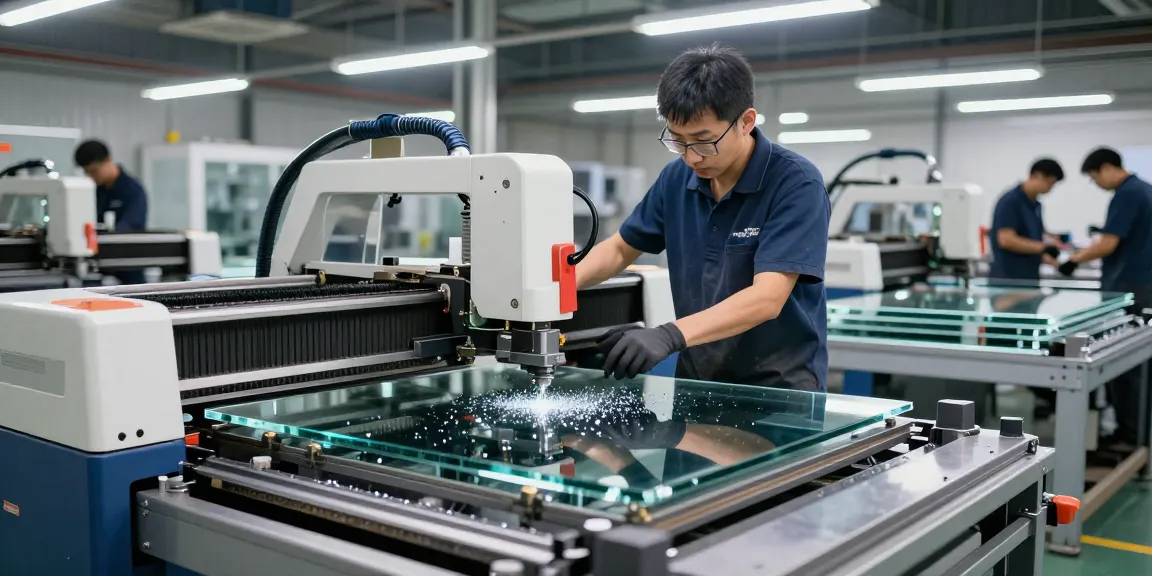
- Cutting Gratings: Use recommended cutting tools to achieve clean edges, avoiding cracks in the material.
- Positioning: Align the gratings properly and ensure they fit snugly onto the supports.
- Securing: Use appropriate fasteners suitable for GRP to secure the grates firmly in place. Ensure that fixings are compatible with chemical resistance if necessary.
Best Practices for Maintenance
To maintain GRP grating effectively, follow these best practices:
- Regular Inspections: Routinely check for signs of wear, damage, or displacement to ensure structural integrity.
- Cleaning: Keep the surface clean using mild detergents and water to remove any slips hazards.
- Repairs: Address damages immediately by replacing the affected sections rather than attempting makeshift fixes.
Common Challenges and Solutions
Challenges may arise in the use of GRP gratings, but they can be effectively managed:
- Heat Expansion: Allow for thermal expansion by placing grates with appropriate spacing where applicable.
- Weight Issues: If gratings feel unstable, review the load capacity to ensure suitability.
- Environmental Challenges: Evaluate the exposure to chemicals and UV light to ensure that the specifications are appropriate for the site.
Case Studies: Success with GRP Grating
Industry Use Case #1
A well-known water treatment facility implemented GRP grating for their filtration systems due to its chemical resistance. The staff reported significant reductions in maintenance and a noticeable improvement in safety due to the slip-resistant surface.
Industry Use Case #2
An agricultural processing plant replaced steel grates with GRP grates. The switch led to lower maintenance costs and longer lifespan in high moisture areas, resulting in a safer and more efficient operation.
Industry Use Case #3
In a marine application, GRP grating helped enhance the durability of dock surfaces. Its resistance to saltwater corrosion minimized repairs, while the lightweight nature facilitated easier installations and modifications.
Future Trends in GRP Grating Supply
Innovations in Material Technology
Emerging technologies are focusing on improving the formulations of the resins used in GRP grating, leading to enhanced strength, lower weight, and better UV resistance. Advanced manufacturing technologies are allowing for custom designs tailored to specific needs while optimizing production processes.
Market Trends Affecting Grating Choices
As industries seek sustainability, the demand for eco-friendly materials is on the rise. GRP manufacturers are working continually to enhance recyclability and reduce carbon footprints. Additionally, with advancements in e-commerce, suppliers can offer more efficient ordering and delivery processes.
Sustainability in the GRP Grating Industry
Sustainability practices are integral to the future of the GRP grating industry. Many suppliers are adopting manufacturing methods that minimize waste, optimize energy use, and increase the ability to recycle materials. This shift promotes not only environmental responsibility but also provides clients with more sustainable options in their projects.
Frequently Asked Questions
1. What is the typical lifespan of GRP grating?
GRP grating typically lasts 20-25 years with proper maintenance, thanks to its corrosion resistance and durability.
2. How does GRP grating compare to steel grating?
GRP grating is lighter, resistant to corrosion, and requires less maintenance compared to traditional steel grating.
3. Can GRP grating be used outdoors?
Yes, GRP grating is ideal for outdoor use due to its UV resistance and ability to withstand harsh environmental conditions.
4. Is GRP grating suitable for hazardous environments?
Absolutely, GRP grating is non-conductive and resistant to several chemicals, making it a safe choice for hazardous locations.
5. How should GRP grating be cleaned?
GRP grating can be cleaned with mild soap and water, avoiding harsh chemicals that could degrade the surface.
In summary, when considering a GRP Grating Supplier, understanding the materials, benefits, installation, and maintenance is crucial. With its diverse applications and numerous advantages, GRP grating continues to be a preferred choice across many industries, making it essential for suppliers to stay informed about trends and innovations in the field.