
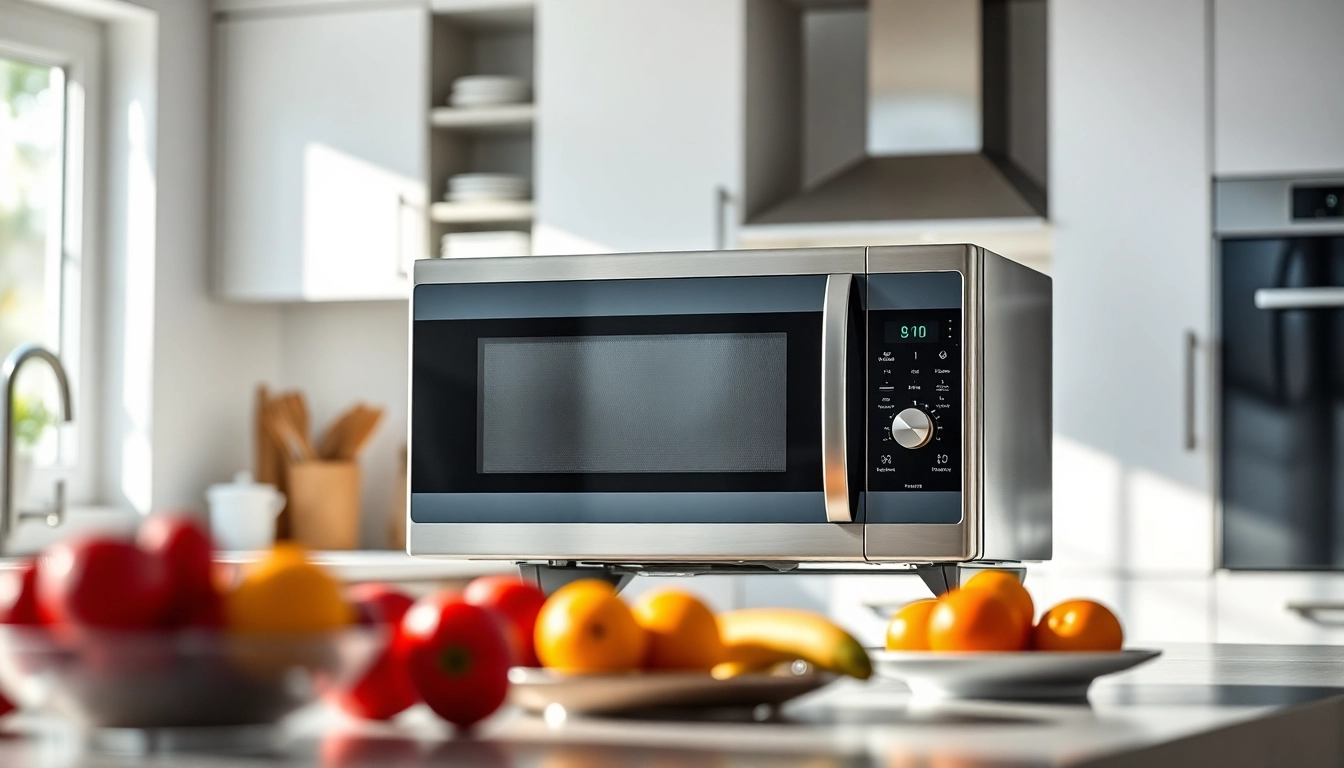
Understanding the Microwave Oven
The microwave oven has become a cornerstone in modern kitchens, renowned for its speed and convenience in cooking. This article will explore the historical development, technical workings, and practical applications of the microwave oven, offering insight into why it remains a favorite among many households. Whether you are a novice cook or an experienced chef, understanding your microwave oven is essential for maximizing its potential in your culinary endeavors.
History and Technology of the Microwave Oven
The invention of the microwave oven has its roots in World War II when radar technology was rapidly advancing. In the late 1940s, Percy Spencer, an engineer working for Raytheon, accidentally discovered that microwave radiation could cook food. After these initial discoveries, the first commercially available microwave oven, the Radarange, was released in 1947, weighing over 600 pounds and costing nearly $5,000. Over the decades, microwave technology has evolved significantly, leading to the lightweight, user-friendly appliances we know today. With advancements in magnetron technology and microprocessors, modern microwave ovens are equipped with features such as pre-programmed cooking settings and energy-efficient modes.
How the Microwave Oven Works
The science behind microwave cooking is fascinating. A microwave oven generates electromagnetic waves that cause water molecules in food to vibrate, producing heat. Most microwave ovens operate at a frequency of about 2.45 GHz, which is ideal for heating water. This process is much faster than conventional cooking methods, as it directly heats the food instead of warming the air around it. The evenness of cooking depends on the food's moisture content and the rotation of the microwave plate, which promotes uniform heat distribution.
Common Applications of the Microwave Oven
From reheating leftover meals to cooking a wide array of dishes, the microwave oven is incredibly versatile. Common applications include defrosting frozen food, cooking popcorn, baking potatoes, and even steaming vegetables. Additionally, many microwave ovens can accommodate grilling and convection baking functions, expanding their usage in meal preparation. This versatility positions the microwave oven as a significant appliance in both home and office settings.
Types of Microwave Ovens
Countertop Microwave Oven
Countertop microwave ovens are the most common type, favored for their portability and affordability. They can be placed on any countertop and used in various settings, making them ideal for apartments, dorms, or even RVs. These models often come with various power levels and cooking presets, enhancing their flexibility. They are particularly useful for quick meals and reheating, fitting the needs of both busy families and single professionals.
Over-the-Range Microwave Oven
Over-the-range microwave ovens serve a dual purpose; they act as a microwave while providing a vent hood for the stovetop below. This setup is perfect for maximizing kitchen space, making it ideal for smaller kitchens. These microwaves often include a variety of fan speeds for ventilation and might also feature built-in lights. They are particularly beneficial for those who want to maintain a clean countertop appearance.
Built-in Microwave Oven
Built-in microwave ovens are integrated into cabinetry, providing a seamless look in modern kitchens. These models can be placed at eye level for easy access and often come with advanced features such as convection cooking and smart technology. While they typically require a higher initial investment and professional installation, built-in models add value and style, making them a popular choice for kitchen remodels.
Key Features to Consider
Power Levels and Cooking Presets
Microwave power levels greatly influence cooking efficiency. Most standard microwaves range between 600 to 1,200 watts. Higher wattage generally translates to faster cooking times. Many modern units include cooking presets for common items—like popcorn or baked potatoes—which simplify the cooking process and reduce the guesswork for users.
Size and Capacity
The size and capacity of a microwave oven can range significantly. Smaller models, typically with 0.5 to 1.5 cubic feet, work well for reheating small portions. Larger models, boasting 1.6 to 2.2 cubic feet, accommodate larger dishes and multiple servings. Careful consideration of kitchen space and cooking needs will guide the selection for the right model.
Energy Efficiency Ratings
Energy efficiency is a crucial consideration in modern microwave ovens. Many models now have energy-saving features, such as eco modes that minimize power consumption during standby. Look for the Energy Star rating, which ensures that the microwave meets strict efficiency guidelines, contributing positively to environmental sustainability and lowering energy bills.
Advantages of Using a Microwave Oven
Time-saving Benefits
The primary appeal of microwave ovens is their ability to cook food quickly. Unlike conventional ovens, microwaves eliminate the need for preheating and significantly reduce cooking times, making them indispensable for busy lifestyles. In fact, studies show that microwaves can reduce cooking time by up to 75% for certain foods.
Cost-effective Cooking Solution
Microwave ovens are generally cheaper to operate compared to conventional ovens. Due to their reduced cooking times and energy-saving features, they consume less electricity. This cost-effectiveness is particularly beneficial for families on a budget who wish to minimize energy bills while still enjoying home-cooked meals.
Healthier Meal Preparation
Cooking food in a microwave can help preserve nutrients that might be lost during longer cooking processes. Because microwaves cook food quickly and often require less water, vitamins and minerals are less likely to leach out. This aspect makes the microwave oven an excellent choice for preparing healthy meals efficiently.
FAQs About Microwave Ovens
How do I clean my microwave oven?
Cleaning a microwave is simple. Mix water with white vinegar in a microwave-safe bowl, heat on high for 5 minutes, and then wipe the interior with a damp cloth to remove stains and odors.
Can I use metal containers in the microwave oven?
Generally, it’s not safe to use metal containers in a microwave oven. Metal can cause sparks and fire hazards. Always opt for microwave-safe glass or ceramic containers.
What's the difference between a microwave and an oven?
The main difference is the cooking method. A microwave uses electromagnetic waves to heat food from the inside out, while a conventional oven uses hot air to cook food evenly from the outside in.
How do I choose the right size for my microwave oven?
Consider the space available in your kitchen and the types of dishes you'll be cooking. A smaller microwave may suffice for reheating, while a larger one is necessary for cooking entire meals.
Are microwave ovens safe for daily use?
Yes, microwave ovens are safe for daily use as long as you follow the manufacturer’s instructions and use microwave-safe containers. They are designed to be used regularly and operate safely in kitchen environments.