
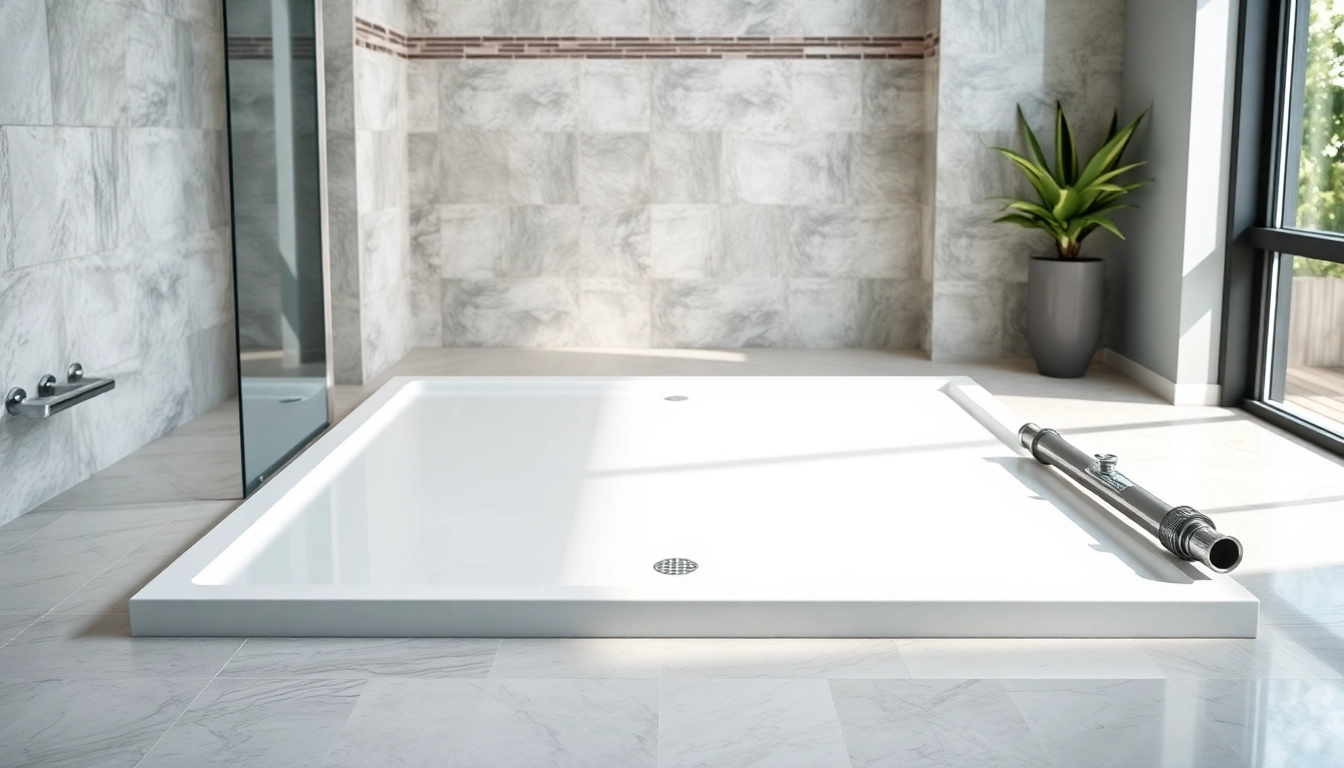
Understanding Shower Base Fundamentals
What is a Shower Base?
A shower base is a crucial component of a shower enclosure, serving as the floor surface where water collects before draining away. It acts as a waterproof barrier, directing water toward the drain, and plays an integral role in ensuring the functionality and aesthetics of the bathroom. Shower bases come in various shapes and sizes, catering to different bathroom layouts and personal preferences. Choosing the right shower base can significantly enhance your bathing experience and overall bathroom design.
Types of Shower Bases Available
Shower bases are categorized based on their design, material, and installation method. The most common types include:
- Rectangular Shower Bases: These are versatile and can fit into various bathroom layouts.
- Square Shower Bases: Ideal for compact spaces, these bases offer a modern aesthetic.
- Corner Shower Bases: Designed to make the best use of corner spaces, perfect for small bathrooms.
- Curved Shower Bases: Features a rounded front, providing a unique design element while maximizing space.
- Custom Shower Bases: Tailored to fit specific dimensions and design preferences, often used in luxury installations.
Choosing the Right Size and Shape
Selecting the appropriate size and shape for your shower base is essential for creating a comfortable bathing environment. Factors to consider include:
- Bathroom Layout: Consider the overall design and layout of your bathroom to determine the best fit.
- User Needs: Think about who will be using the shower; larger bases are often more comfortable for families.
- Available Space: Measure your area carefully to ensure the chosen base fits without crowding the room.
- Accessibility: If mobility is a concern, opt for low-threshold models that make entry and exit easier.
Materials Used in Shower Bases
Common Materials for Shower Bases
Shower bases can be made from a variety of materials, each offering unique benefits:
- Acrylic: Lightweight, easy to install, and available in various styles. It's resistant to stains and holds heat well.
- Fiberglass: Cost-effective and lightweight, but may require more maintenance to keep its appearance.
- Tile: Offers extensive customization, but can be more challenging to install and maintain due to grout lines.
- Stone: Luxurious and durable, providing an upscale look, but typically requires careful installation and maintenance.
- Composite: Made from a mixture of materials, these bases combine the benefits of various elements, often mimicking the look of stone or tile.
Durability and Maintenance Considerations
Durability varies by material; hence it’s important to consider maintenance requirements. Acrylic and fiberglass require regular cleaning with non-abrasive cleaners, while tile may need grouting maintenance to avoid mold. Stone bases typically need sealing to preserve their beauty. Ensure you understand the lifespan and upkeep of your chosen material to prevent future hassles.
Eco-friendly Options for Shower Bases
Many homeowners are now considering eco-friendly options when selecting a shower base. Look for materials like:
- Recycled Materials: Some shower bases are crafted from recycled content, reducing environmental impact.
- Low-VOC Finishes: Avoid bases with harmful chemical emissions to improve indoor air quality.
- Efficient Manufacturing Processes: Seek out manufacturers that employ sustainable practices, including water conservation in production.
Installation Process of Shower Bases
DIY vs. Professional Installation
When it comes to installation, you have the option of DIY or hiring a professional. DIY installation can save money, but it requires skill and careful planning to avoid common pitfalls. Conversely, professional installers bring expertise and efficiency, often ensuring a seamless installation.
Essential Tools and Equipment
If you opt for DIY installation, gather necessary tools such as:
- Measuring tape and level for accurate sizing
- Tile cutter (if using a tiled base) or a saw for cutting other materials
- Caulk guns for sealing
- Drills and screws for mounting
- Safety gear for protection during installation
Steps for Successful Installation
Follow these steps for a successful shower base installation:
- Preparation: Clear the area and make necessary measurements to ensure a snug fit.
- Framing: If required, build a frame for your base to rest on, ensuring it's leveled appropriately.
- Plumbing: Install the drain according to local plumbing codes to facilitate proper drainage.
- Base Installation: Carefully place the shower base, ensuring it's square and level.
- Sealing: Apply caulk around the perimeter to prevent water seepage.
- Finishing: Complete any tile work or further construction to suit your design.
Design and Aesthetics with Shower Bases
Color and Style Coordination
Shower bases come in various colors and finishes. Selecting a color that coordinates with the overall bathroom palette is vital for visual harmony. Neutral colors provide a timeless look, while bold colors can act as a stunning focal point. Consider the aesthetic of your tiles, walls, and fixtures when making your selection.
Adding Accessories for Enhanced Functionality
Accessories can enhance both the functionality and design of your shower base. Consider installing:
- Grab Bars: Improve safety with grab bars for easier access.
- Shower Benches: Create a place for seating or storing products.
- Built-in Shelving: Optimize storage and keep your shower organized.
Common Design Mistakes to Avoid
Avoid these common missteps when designing with a shower base:
- Ignoring Functionality: Ensure your design choices improve usability, not hinder it.
- Neglecting Drainage: Plan for proper drainage to prevent standing water.
- Overcomplicating the Look: Keep designs sophisticated by avoiding overused patterns or clashing colors.
FAQs About Shower Bases
What is the lifespan of a shower base?
A well-maintained shower base can last 20 years or more, depending on the material and care.
Can I install a shower base on my own?
Yes, with the right tools and skills, DIY installation is possible, but professional help is recommended for best results.
How do I clean and maintain my shower base?
Use gentle, non-abrasive cleaners regularly to maintain the appearance and prevent buildup.
What types of shower bases are best for small bathrooms?
Rectangular or corner shower bases maximize space and are ideal for compact bathrooms.
Are shower bases slip-resistant?
Many shower bases feature textured surfaces to reduce slipping, enhancing safety.