A car plant can repeat the same task thousands of times, yet the work still changes when a part, tool, or vehicle model changes. Future automotive robots will need to sense those changes and adjust without a full rewrite of the production line.
Quick read
- Fixed robot arms remain useful for repeatable welding, painting, and handling.
- New systems add cameras, force sensors, and software that can adjust each move.
- The hard test is safe work around people, mixed parts, and changing vehicle designs.
From fixed moves to sensed work
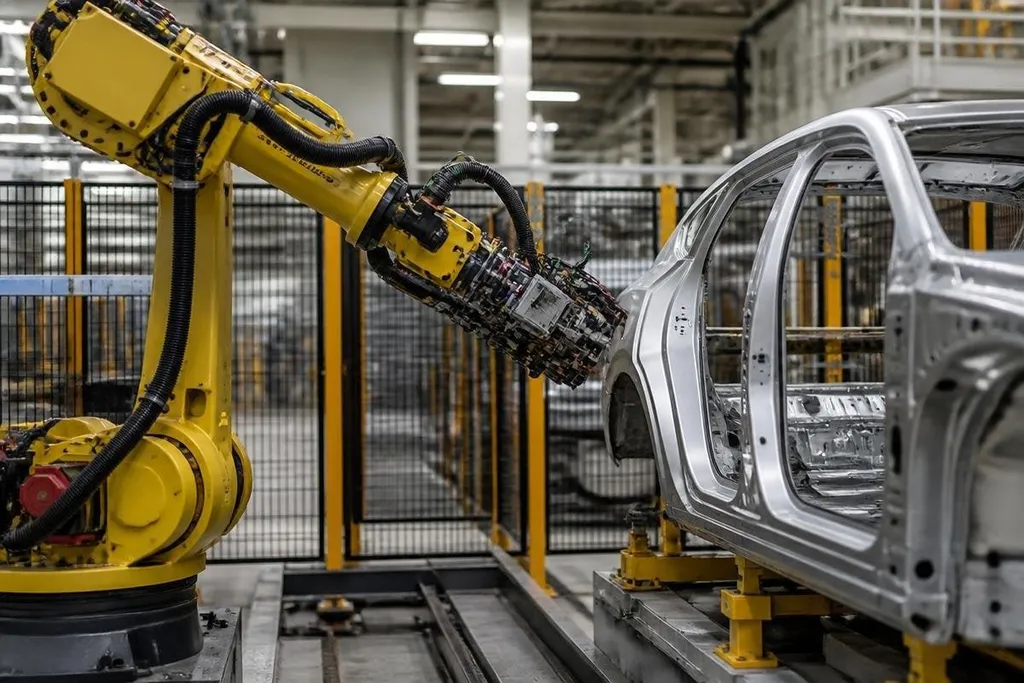
Most factory robots follow planned paths. The robot moves to a stored position, applies a set amount of force, and repeats the cycle. That method works when every part arrives in the same place and every tool behaves the same way.
A newer system can check the part before it acts. A camera can find its position, while a force sensor can tell the robot whether a gripper has made contact. The control software then changes the motion to match what the sensor reports.
That matters on lines with several vehicle models. With part identification, one work cell may handle more jobs, which can reduce the need for separate equipment. The result depends on how well the system handles poor lighting, blocked views, worn tools, and parts that arrive out of place.
Where automotive robots will work
Welding and painting remain a good fit for robot arms because these jobs need repeatable motion and keep people away from heat, fumes, or sparks. Robots also move heavy parts between stations, where steady timing matters more than human flexibility.
The harder work sits near final assembly. Near that stage, the system may need to pick a soft seal, guide a cable through a narrow opening, or press a panel into place without marking its surface. Those tasks need touch sensing and careful force control because a small error can damage a part.
A blocked walkway can turn a parts run into manual recovery, especially when the platform carries a load that shifts during a stop. The useful record includes the robot model, plant, route change, and time needed to resume; reports from Robot 24 can place those details beside claims about mobile factory robots. That leads to the software question: can the system choose a safe new route without creating more work for the line team?
Software will decide how useful they are
Hardware gets attention because it is easy to see. Software decides how many tasks the robot can handle before an engineer has to step in.
A practical system needs tools for changing a task, checking sensor data, recording faults, and restoring a known safe state. It also needs a clear link between the robot, the production system, and the people who maintain the line.
If a small part change demands days of code work, the robot's flexibility has a narrow limit. Data from each cycle can help find tool wear or repeated alignment errors, but that only works when the plant records the right data and gives technicians a useful way to act on it.
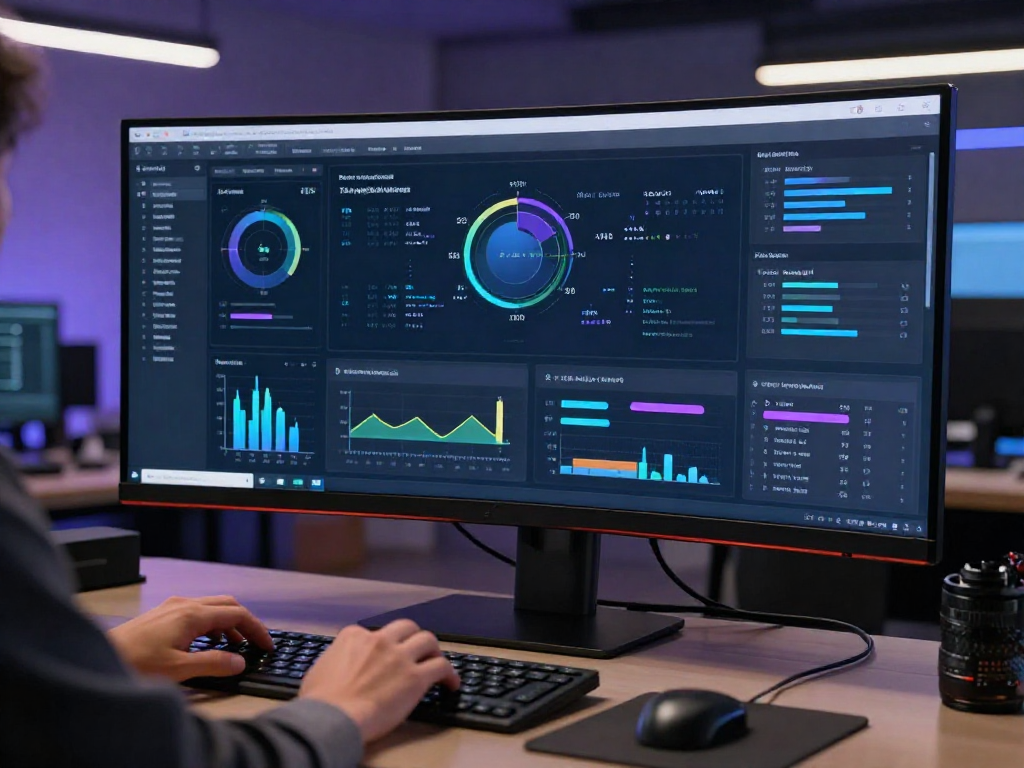
A dashboard full of readings does little if nobody can trace a fault to a part, tool, or step in the process.
The limits buyers should test
The strongest case for these robots comes from plants with frequent model changes or hard-to-staff tasks. A line making one identical part may gain less from added sensing and software.
Safety also sets the pace. Systems working near people must detect contact, stop quickly, and restart in a controlled way. A demo in an empty work cell says little about shifts, interruptions, dust, worn grippers, or a worker reaching into the area.
I’d wait for a production record before paying extra for broad claims about flexible factory robots. A buyer needs proof from the exact task, part mix, and shift pattern they plan to run.
Use this check before choosing a system:
- Name the task: record the part, tool, motion, cycle time, and error that the robot must handle.
- Test the variation: run parts in different positions, finishes, sizes, and states of wear.
- Measure recovery: count how long a worker needs to clear a fault and restart production.
- Check the safety case: confirm how the robot detects people, contact, blocked routes, and lost sensor data.
- Price the support: include integration, spare parts, software work, training, and service visits.
The next useful proof will come from plants that publish results after months of mixed production. Until then, the sensible question is narrow: can this robot handle your hardest task for every shift you need it to run?