
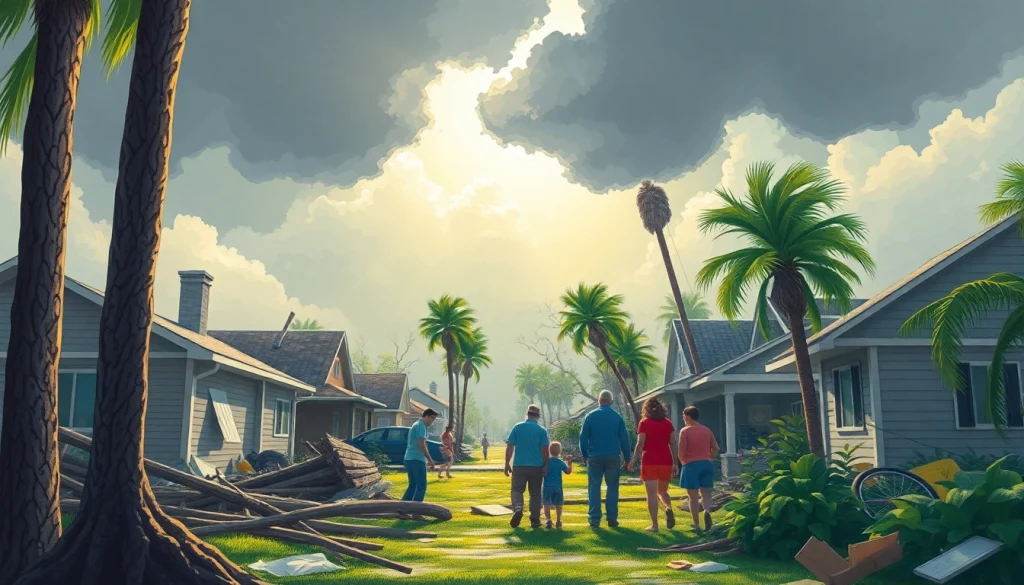
Understanding Florida Hurricane Damage
Hurricanes represent one of the most significant natural threats faced by Florida’s residents and infrastructure. With its unique geographical position, the state is often in the direct path of these powerful storms, leading to catastrophic storms resulting in extensive damage to homes, businesses, and ecosystems.Florida Hurricane Damage can vary in severity and impact, depending on the hurricane’s trajectory, intensity, and the preparedness of communities affected. Understanding the nature of this damage is crucial for developing effective recovery strategies.
The Impact of Hurricanes on Florida Communities
Hurricanes can dramatically alter the fabric of Florida communities, disrupting daily life, damaging infrastructure, and displacing residents. Storm surges, high winds, and torrential rainfall can result in:
- Structural Damage: Residential homes and commercial buildings are often damaged beyond repair, resulting in loss of property and livelihoods.
- Infrastructure Disruption: Roads, bridges, power lines, and communication networks can be severely affected, hampering rescue and recovery efforts.
- Ecosystem Harm: Coastal erosion, flooding, and habitat destruction can pose long-term impacts on Florida’s diverse ecosystems.
The social impacts are equally pronounced—communities may experience long-lasting economic challenges, shifts in population as people relocate, and emotional trauma due to loss and displacement.
Common Types of Storm Damage in Florida
Florida hurricanes produce various types of damage, influenced by their classification on the Saffir-Simpson scale. Common damage types include:
- Wind Damage: High winds can uproot trees, tear off roofs, and damage power lines.
- Flooding: Rainfall and storm surges can inundate low-lying areas, damaging homes and infrastructure.
- Coastal Erosion: Beaches and coastal properties can lose significant land during hurricanes, impacting tourism and habitat.
Understanding these damage types helps residents prepare and respond effectively to storms.
Historical Hurricanes and Their Effects
Florida has experienced numerous hurricanes throughout its history, with varying degrees of severity and impact. These include:
- Hurricane Andrew (1992): Considered one of the most destructive hurricanes in U.S. history, it caused approximately $27 billion in damage.
- Hurricane Irma (2017): This Category 5 hurricane impacted millions, causing extensive damage across the state and prompting widespread evacuations.
- Hurricane Dorian (2019): While mainly affecting the Bahamas, Dorian’s potential impact on Florida highlighted the need for preparedness in the face of unpredictable hurricanes.
These historical hurricanes offer lessons in resilience and recovery, emphasizing the importance of preparedness and community solidarity.
Preparing for Hurricane Season in Florida
Hurricane season in Florida runs from June 1 to November 30, making preparation essential for safeguarding lives and property. Understanding how to prepare effectively can mitigate the impacts of hurricanes.
Essential Supplies and Precautions
Preparation begins with equipping homes with necessary supplies and ensuring safety precautions are in place. Core supplies include:
- Food and Water: Stock at least a week’s worth of non-perishable items and water.
- Emergency Kits: Include first-aid supplies, flashlight, batteries, and important documents.
- Evacuation Plan: Have a clear route and destination in place, including accommodations for pets.
Additionally, monitoring weather updates and alerts from local authorities is crucial for timely evacuation when necessary.
Home Preparations to Minimize Damage
Making structural improvements to homes is essential in reducing potential storm damage. Some recommended actions include:
- Reinforcing Roofs: Ensuring roofs are secure and capable of withstanding high winds, which may include bolting roofs to walls.
- Installing Impact-Resistant Windows: Consider hurricane shutters or impact-resistant glass to minimize damage from debris.
- Clearing Landscaping: Removing or securing trees and landscaping that could become projectiles in high winds.
Homeowners should consult with professionals to determine required safety measures tailored to their specific situations.
Community Resources for Emergency Preparedness
Local governments and organizations offer resources to help residents prepare for hurricanes:
- Emergency Management Offices: Provide guidelines and resources for local emergencies and hurricane preparedness.
- Red Cross: Offers training sessions for first aid and emergency preparedness.
- Community Forums: Engage in discussions about emergency plans, resource availability, and local evacuation routes.
Active community engagement and collaboration can strengthen overall preparedness.
Post-Hurricane Recovery in Florida
Recovery efforts begin immediately after a hurricane passes, focusing on assessing damage and supporting affected individuals. Understanding proper recovery protocols is vital.
Assessing Damage and Insurance Claims
Residents must promptly assess damage to property while documenting losses for insurance claims. Key steps include:
- Document Damage: Take photos and videos of all damage to support insurance claims.
- Contact Insurers: File claims as soon as possible, providing all necessary documentation.
- Seek Guidance: Consulting with public adjusters may help in navigating complex claims processes.
Understanding insurance coverage types and exclusions is crucial to ensuring adequate protection against hurricane damage.
Finding Help from Local Organizations
Numerous organizations assist with recovery efforts after hurricanes. Some resources include:
- FEMA: Provides disaster assistance to eligible individuals and businesses.
- Local Nonprofits: Various local organizations offer immediate assistance and recovery services.
Networking through community groups can lead to access to additional resources and support mechanisms essential for recovery.
Long-Term Recovery Plans for Resilient Communities
Post-disaster recovery is not just about restoring what was lost; it is an opportunity to build resilience. Effective strategies for long-term recovery may involve:
- Infrastructure Improvements: Investing in stronger infrastructure that can withstand future events.
- Community Education: Engaging residents through workshops and programs on resilience and preparedness.
- Economic Development: Supporting local businesses and providing grants or loans for rebuilding.
Collaborative planning initiatives can enhance community resilience against future hurricanes.
Government Response to Hurricane Damage in Florida
The government plays a vital role in hurricane recovery and providing necessary resources. Understanding the framework of assistance can aid individuals and communities during crises.
State and Federal Assistance for Affected Areas
After major hurricanes, state and federal agencies mobilize to provide aid through various programs. These may include:
- Public Assistance Program: Helps local governments and non-profits with recovery costs for emergency services.
- Individual Assistance Program: Offers support directly to individuals affected by disasters.
Staying informed on available aid and navigating application processes can facilitate essential recovery efforts.
Regulations and Safety Standards for Reconstruction
Following hurricanes, adherence to safety regulations and building codes becomes imperative. Key components include:
- Building Codes: Local governments often update building codes emphasizing storm-resistant construction practices.
- Environmental Regulations: Conservation of natural buffers like wetlands that help reduce flooding risks.
Compliance with updated regulations will bolster community resilience against future storms.
Community Engagement in Recovery Efforts
Involving community members in recovery fosters a sense of ownership and commitment. Effective engagement practices include:
- Workshops and Meetings: Organizing gatherings to discuss recovery plans and gather input from residents.
- Volunteer Programs: Encouraging residents to volunteer for recovery efforts can spread awareness and build community support.
Active engagement results in more inclusive, effective recovery strategies.
Lessons from Recent Hurricane Damage in Florida
Reflecting on past hurricane experiences informs better preparation and recovery strategies for future storms. Key lessons include:
Case Studies of Effective Recovery Initiatives
Examining case studies of communities that successfully navigated the aftermath of hurricanes showcases valuable lessons. Examples include:
- Miami-Dade County: Implemented comprehensive emergency management plans that integrate public feedback and innovative infrastructure solutions.
- Hillsborough County: Developed educational outreach programs to inform residents about disaster preparedness and recovery options.
Success stories can inspire counties to adopt similar practices.
Innovations in Disaster Response and Management
Technological advancements have improved disaster response strategies. Innovations in the following areas have shown promise:
- Emergency Communication Systems: Utilizing social media and apps to relay timely information about emergency services and evacuations.
- Remote Damage Assessment: Teams employing drones for quick damage assessment post-hurricane can expedite recovery planning.
Investing in tech can lead to enhanced preparedness and response efforts.
Future Strategies for Mitigating Hurricane Damage
Effective mitigation strategies are essential for reducing the impact of future hurricanes. Some viable approaches include:
- Adoption of Green Infrastructure: Integrating natural systems to manage water, such as rain gardens and permeable pavements.
- Land Use Planning: Carefully considering future development in high-risk areas can prevent increased vulnerability.
Proactive planning is critical for fostering safer communities in the face of climate change and increasing hurricane frequency.