Understanding the Role of a Destination Photographer
Defining the Destination Photographer
A destination photographer is an artist whose work goes beyond the traditional confines of a studio or local environment. They travel to specific locations to capture meaningful moments, often for weddings, family portraits, or adventure photography. This role requires not only technical photographic skills but also an ability to evoke emotions and tell stories through imagery. Each photograph becomes a reflection of the surroundings and the experiences of those photographed, combining parts of the world with personal narratives. As a Destination photographer, capturing the essence of a location while creating a long-lasting impact on clients is paramount.
Key Responsibilities and Skills
Destination photographers are responsible for coordinating logistics, understanding their clients’ needs, and ensuring they produce high-quality images that resonate with the settings chosen. Essential skills include:
- Technical Proficiency: Mastery over camera settings, lighting adjustments, and various photography styles.
- Creativity: Ability to envision shots and bring out the unique characteristics of a location.
- People Skills: Building rapport with clients to ensure comfort in front of the camera.
- Organizational Abilities: Managing travel schedules, equipment logistics, and communication with clients.
- Adaptability: Adjusting to different environments, weather, and unexpected circumstances.
Importance of Location Selection
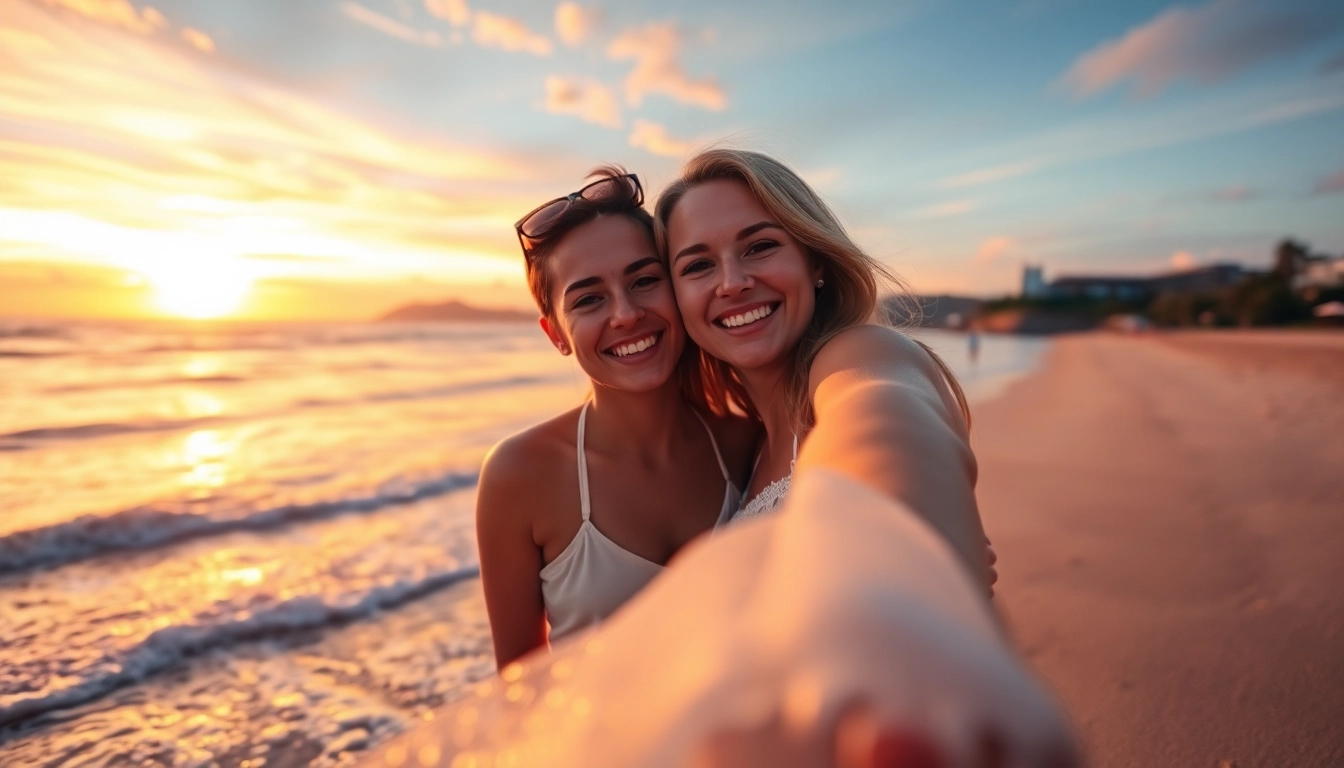
The location sets the stage for every photograph; therefore, thoughtful selection is crucial. A well-chosen backdrop enhances the story each image tells, adding layers of context and meaning. The ideal environment complements the subjects, drawing focus to emotions versus distractions. Whether it is the golden hour on a tropical beach or an urban alley filled with murals, the right choice results in captivating images that resonate with viewers and clients alike.
Choosing the Perfect Locations
Factors Influencing Destination Choices
Several factors influence the selection of photography destinations:
- Client Preferences: Understanding their vision and any personal significance attached to suggested locations.
- Seasonality: Some destinations have striking differences across seasons, which can affect the overall mood and atmosphere of the images.
- Accessibility: Consider how easy it is for clients and equipment to reach remote locations.
- Popularity vs. Uniqueness: Striking a balance between well-known spots and hidden gems is key to providing memorable images that stand out.
Top Travel Spots for Photography
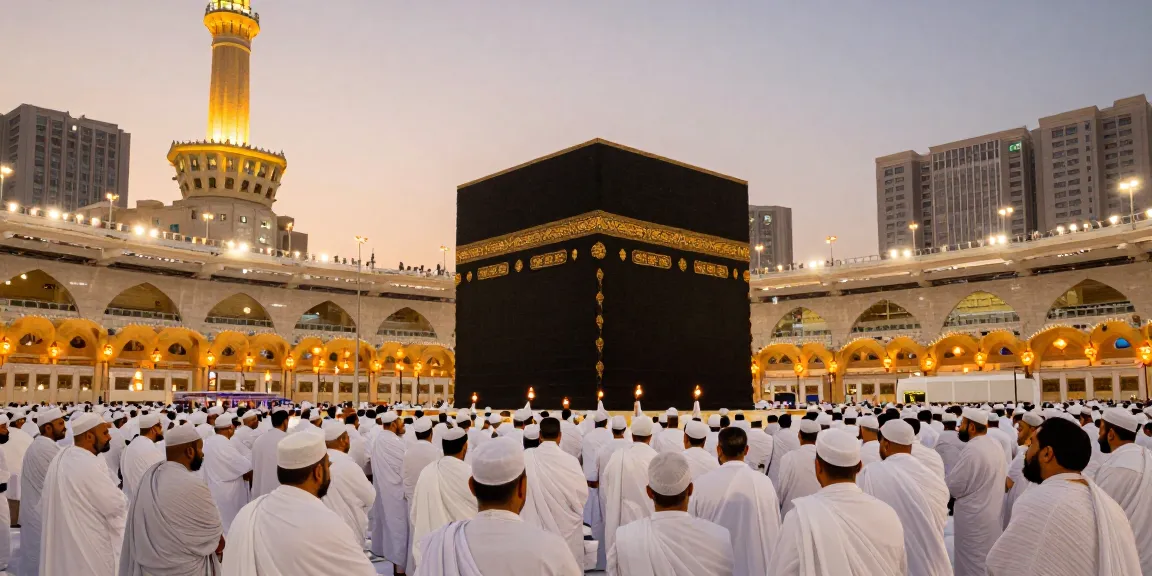
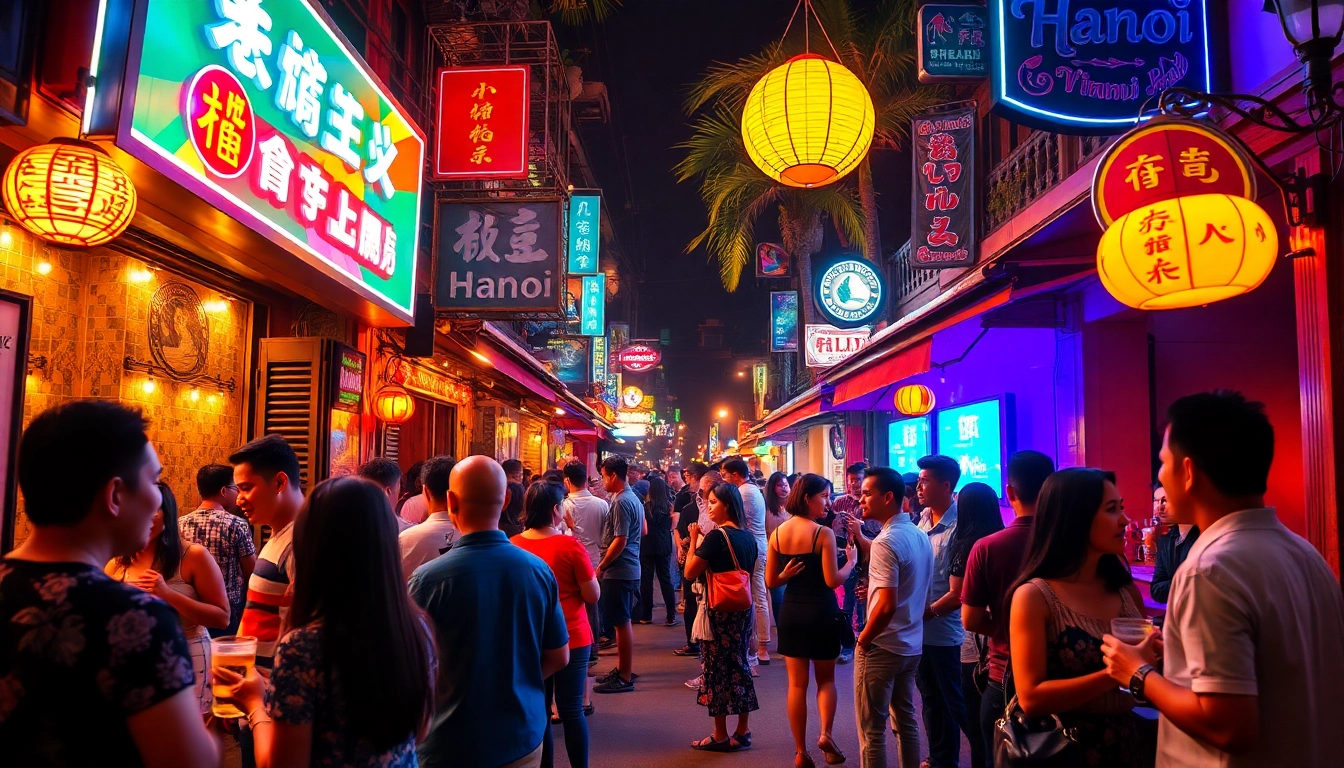
Certain destinations are perennial favorites for photographers. Locations like the stunning beaches of Bali, the picturesque streets of Santorini, or the majestic landscapes of Iceland offer breathtaking backdrops. Additionally, urban settings like New York City provide a mix of architecture and culture, adding depth to the photographs. Exploring lesser-known, off-the-beaten-path locales can also yield exceptional results, enriching the storytelling aspect of photography.
Timing and Seasonality in Destinations
The timing of photography shoots is equally important as the location. Each season brings unique lighting conditions, textures, and colors. For instance, autumn foliage can create a warm palette that enhances romantic shoots, while spring blossoms evoke a fresh, cheerful tone. Understanding optimal times for natural light, weather conditions, and local events can result in images that capture fleeting moments beautifully.
Essential Equipment for Destination Photography
Must-Have Cameras and Lenses
Having the right equipment can significantly influence the quality of your photographs. Key items include:
- Cameras: A DSLR or mirrorless camera with good low-light performance is ideal for varied settings.
- Lenses: A versatile zoom lens accommodates different situations; prime lenses are excellent for portraits.
- Backup Equipment: Extra cameras, lenses, and batteries to avoid setbacks during shoots.
Accessories for On-the-Go Shooting
Successful destination photographers also utilize several accessories:
- Tripods: Essential for stability in low-light conditions.
- Filters: Polarizers can reduce glare on reflective surfaces, while ND filters allow for creative long exposures.
- Camera Bags: Weatherproof and durable bags protect gear during travel.
Editing Tools for Stunning Results
The post-processing stage is crucial for enhancing photographs, and programs like Adobe Lightroom and Photoshop are popular among destination photographers. Learning how to edit effectively enables photographers to bring their visions to life—balancing exposure, adjusting colors, and removing distractions to highlight the beauty within each frame.
Building a Connection with Clients
Pre-Shoot Consultations
Understanding client needs begins with pre-shoot consultations. This allows photographers to learn about preferences, expectations, and any personal stories they wish to incorporate. Establishing a clear line of communication helps build trust and ensures that the final images reflect the client’s personality and vision.
Developing Comfort with Subjects
Comfort is crucial for authentic photography. Many clients may feel uneasy in front of the camera, so fostering a relaxed atmosphere is essential. Engaging in casual discussions, providing direction without micromanaging, and showcasing previous work to demonstrate experience can help establish a more natural rapport.
Capturing Authentic Moments
When a client feels comfortable, capturing candid and authentic moments becomes possible. These are often the photographs that resonate most deeply, showing emotions and connections rather than stiff poses. Implementing storytelling techniques can strengthen this aspect by prompting clients to embrace spontaneity and express genuine emotions.
Maximizing Exposure and Marketing Yourself
Creating an Engaging Portfolio
A well-curated portfolio showcases a destination photographer’s best work and should represent the different styles and locations they specialize in. Displaying various projects, client testimonials, and behind-the-scenes shots can create a more compelling narrative for potential clients.
Leveraging Social Media for Promotion
Social media platforms are powerful tools for photographers. Sharing posts that highlight work, techniques, and the stories behind the shoots can capture a broader audience. Utilizing hashtags, engaging with followers, and collaborating with influencers in the travel space can further enhance visibility and attract new clients.
Networking with Travel Businesses
Building relationships with travel agencies, wedding planners, and local businesses can provide a steady stream of referrals. Attending travel expos, engaging in local community events, and participating in online groups relating to destination photography can lead to valuable connections and opportunities.
FAQs
What is a destination photographer?
A destination photographer specializes in capturing moments at various locations, often focusing on travel, weddings, and adventure photography.
How do I choose a location for a shoot?
Consider client preferences, accessibility, seasonality, and the uniqueness of the location to select the ideal spot for your photography.
What equipment do I need for destination photography?
Essential gear includes a high-quality camera, versatile lenses, tripods, and editing software for post-processing your images.
How can I connect with clients for better photos?
Build rapport through pre-shoot consultations, engage in casual conversations, and create a comfortable atmosphere to capture authentic moments.
What role does social media play in marketing?
Social media helps showcase your work, connect with potential clients, and build a following, making it an essential part of modern marketing strategies.